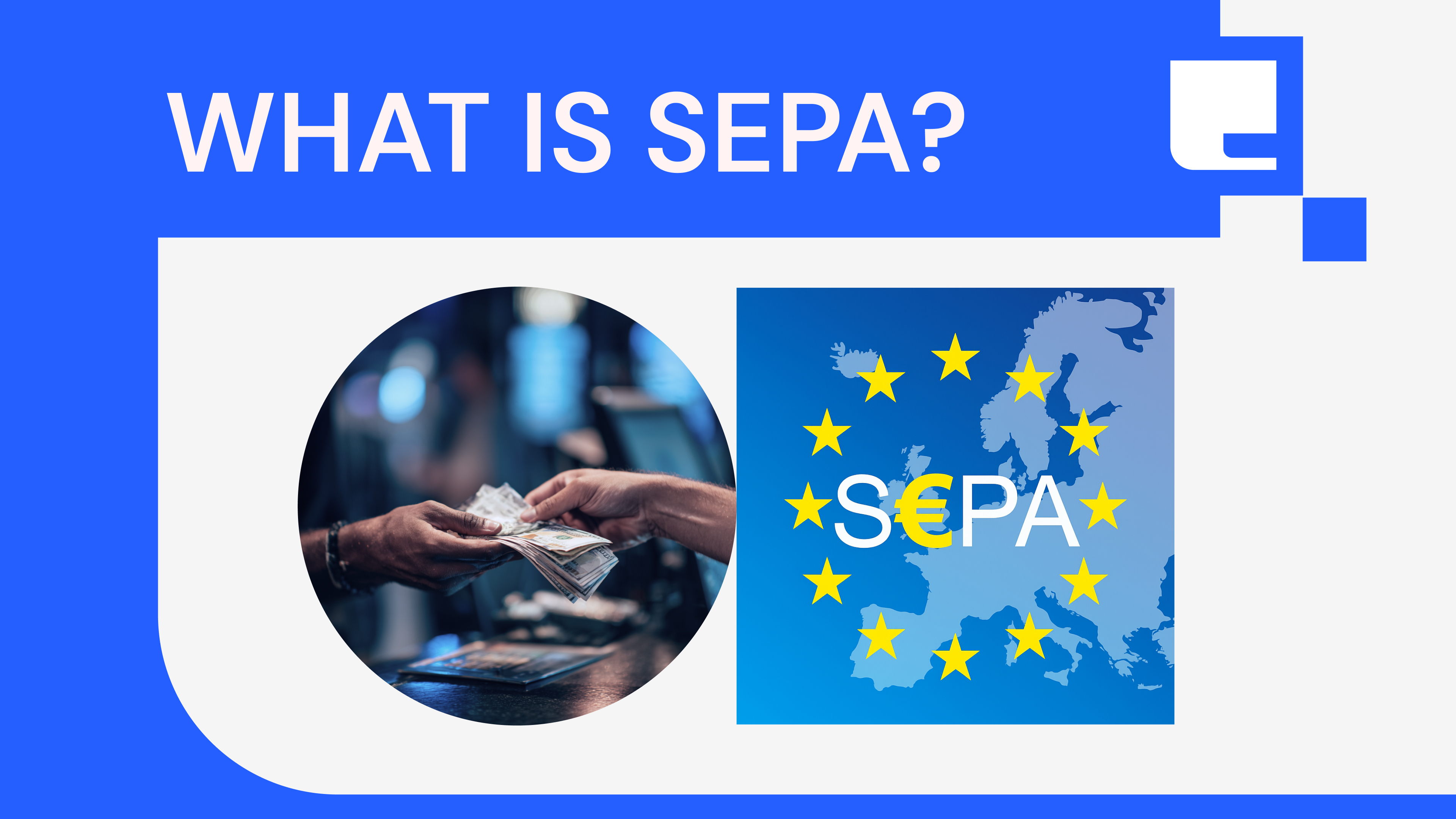
A beginner-friendly but expert-level breakdown of Europe’s favorite payment system — and why it’s a big deal for founders, CFOs, and fintechs moving money globally.
Introduction: Why You Should Care About SEPA
If you’ve ever tried to pay a vendor in France from your German company — or wire funds from Spain to the Netherlands — you’ve likely encountered SEPA.
The Single Euro Payments Area (SEPA) was designed to eliminate borders in European banking, making cross-border euro transfers as easy as domestic ones. Today, it powers billions of euros in daily transactions, silently running under the hood of payroll systems, marketplaces, fintech apps, and global businesses.
For startups, CFOs, and international operators, understanding SEPA is mission-critical — especially as the global banking landscape shifts toward faster, lower-cost, and more interoperable payment rails.
What Exactly Is SEPA?
SEPA stands for Single Euro Payments Area. It is a European Union initiative that enables individuals and businesses to make cashless euro payments anywhere within the SEPA zone using a standardized system.
Think of it like this:
SEPA is to Europe what ACH is to the U.S. — but for 36 countries and over 500 million people.
- Launched in 2008 for credit transfers and in 2014 for direct debits.
- Replaced fragmented national systems with one harmonized standard.
Who’s Part of SEPA?
SEPA currently includes 36 countries:
- All 27 EU Member States
- EFTA countries: Iceland, Liechtenstein, Norway, Switzerland
- Others: UK, Monaco, San Marino, Andorra, Vatican City
Example: Sending €10,000 from Berlin to Brussels via SEPA costs the same and takes the same time as sending it across the street in Berlin.
How SEPA Works (In Practice)
Types of SEPA Transactions
- SEPA Credit Transfer (SCT): One-time euro payments.
- SEPA Direct Debit (SDD): Recurring payments like subscriptions or utilities.
- SEPA Instant Credit Transfer (SCT Inst): Real-time payments up to €100,000 across participating banks.
Key Features
| Feature | SEPA Credit Transfer | SEPA Instant | SEPA Direct Debit |
|---|---|---|---|
| Speed | 1 business day | less than 10 seconds | Mandate-based recurring |
| Currency | Euro only | Euro only | Euro only |
| Reach | 36 countries | 29 countries | 36 countries |
| Use case | Invoices, vendors | Real-time payouts | Subscriptions, utilities |
Why SEPA Matters for Global Businesses
Cost Efficiency
SEPA transfers are cheap or free. Unlike SWIFT transfers (often $15–$40), most SEPA payments cost about €0 to €1.
Speed
- Standard SEPA: 1 business day.
- SEPA Instant: less than 10 seconds, available 24/7/365.
- SWIFT: typically 2 to 5 days, often delayed on weekends.
Compliance & Standardization
- Uniform formats (IBAN, BIC).
- Standard KYC/AML rules.
- Full alignment with EU regulations (PSD2, GDPR).
Improves UX & Trust
- Offering SEPA builds trust with European users.
- Makes international platforms feel “local.”
Common Misconceptions About SEPA
-
SEPA is the same as SWIFT
✗ False. SWIFT is a global messaging system; SEPA is euro-only infrastructure. -
SEPA only works in the EU
✗ False. SEPA includes non-EU countries such as the UK and Switzerland. -
You need a local bank in each country
✗ False. One SEPA-compatible account works across all 36 countries.
SEPA by the Numbers (2025 Update)
| Metric | Value |
|---|---|
| SEPA Credit Transfers per year | ~24 billion |
| SEPA Direct Debits per year | ~20 billion |
| SEPA Instant Transactions | over 6 billion (2024) |
| Avg. transfer cost | €0.00 – €1.00 |
| Supported Banks | over 4,000 |
Source: European Payments Council, ECB
SEPA for Startups: What You Need to Do
-
Open a SEPA-Compatible Account
Use fintechs like Endl, Wise, Payoneer, or banks with EU IBAN support. -
Ensure IBAN + BIC on Invoices
Required for all SEPA payments. -
Enable SEPA Transfers on Your Platform
Via PSPs like Stripe, Adyen, or direct bank APIs. -
Consider SEPA Instant
Offers real-time payouts, ideal for creators, gig workers, and marketplaces.
Legal and Regulatory Considerations
- Governed by PSD2 (Revised Payment Services Directive).
- Mandatory AML/KYC compliance.
Startups often need:
- EU/EEA entity registration.
- Partnership with a regulated EMI/PSP.
- GDPR-compliant data handling.
Pro Tip: Use a regulated banking-as-a-service partner to offload compliance and focus on product.
The Future of SEPA
- Greater adoption of SEPA Instant.
- Moves toward digital euro integration.
- Growing interoperability with SWIFT gpi and stablecoins.
- By 2026: over 60 percent of B2B payments in Europe are expected to use SEPA Instant.
TL;DR: Why SEPA Matters
| Benefit | Why It’s Important |
|---|---|
| Speed | 1 business day or instant |
| Cost | Minimal to almost zero fees |
| Reach | 36 countries, one format |
| UX | Seamless user experience |
| Compliance | EU-regulated framework |
Final Thoughts
Whether you’re a startup expanding into Europe, a CFO optimizing payments, or a fintech building global rails, SEPA isn’t just another acronym — it’s the engine behind euro-zone commerce.
Understanding how it works — and how to leverage it — gives you a real edge in the global banking game.